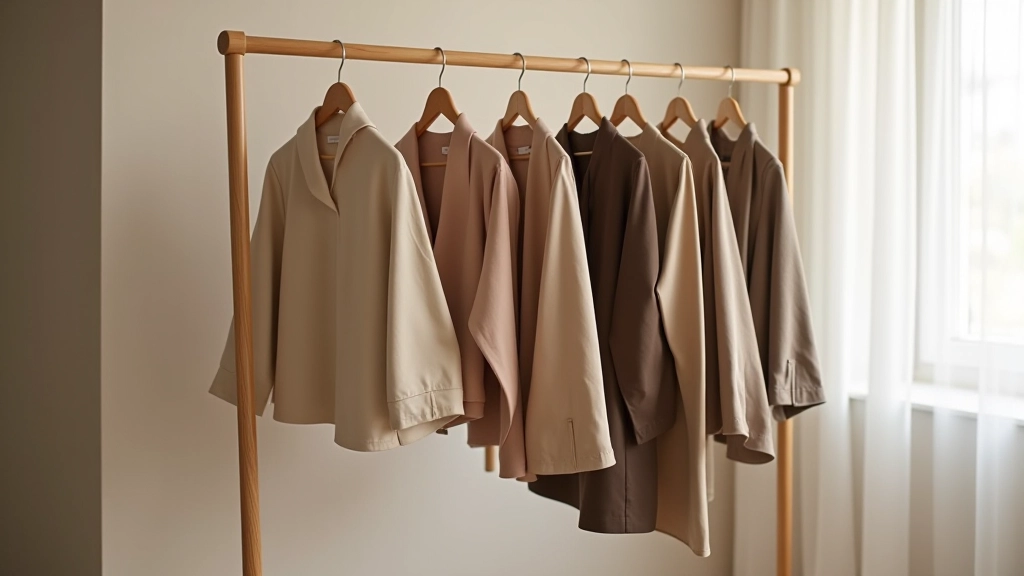

Budget Fashion: Rewearing, Careful Shopping, and Seasonal Refreshes
Building a wardrobe without spending much. The strategy of intentional rewearing. How to refresh your closet for spring and autumn on a realistic budget.

The Power of Rewearing
Most people don't actually wear their clothes enough. A blazer sits in the wardrobe for months, then appears once at a meeting. A pair of jeans gets paired with the same three shirts. That's the real budget problem — not what you spend, but how much you actually use what you've bought.
Rewearing isn't about having nothing clean. It's intentional. You wear something, and you're thinking about how to make it look different next time. That navy sweater? It goes with your work trousers on Monday. By Wednesday, it's layered under a slip dress for dinner. On Saturday, you're wearing it oversized with linen shorts.
The realistic number: Fashion experts suggest wearing pieces 30+ times before they've earned their place. Most items in your closet haven't hit that mark yet.
This strategy works because it forces you to buy pieces that actually mix. You can't buy a statement piece that only works one way. You're building combinations, not outfits. A white button-up works with tailored trousers and with jeans. A simple t-shirt goes under cardigans, dresses, and jackets. This is how you stretch a small budget into a full wardrobe.

Careful Shopping That Actually Works
Careful shopping means asking three questions before you buy anything: Does it work with what I already own? Will I wear it within the next 90 days? Can I see it five different ways?
It's not about shopping less — it's about shopping smarter. Visit the same few stores you know. Learn which brands fit your body. Don't hunt for bargains in places you'll never return to. A piece you don't wear isn't a bargain, no matter the price tag.
- Check your calendar before buying. If there's nowhere to wear it in the next three months, it's not the right time.
- Buy basics in neutral colors. You'll combine them more often than trend pieces.
- Quality over quantity. A solid cotton shirt lasts longer than three thin ones.
- Try everything on. The size you usually wear doesn't mean anything if the fit isn't right.
The best budget shoppers aren't spending less money — they're spending it better. They know their style. They understand their body. They're not chasing trends that'll feel dated in two months.
Seasonal Refreshes on a Budget
Spring and autumn hit different. You're not buying an entirely new wardrobe — you're refreshing what you've got. That's where your budget goes farthest. A few transitional pieces unlock everything you already own.
For spring, think lightweight layers. A linen overshirt. A simple cardigan in a neutral shade. Maybe one patterned piece that mixes with your basics. You're not replacing winter clothes — you're adding pieces that work over them or instead of them. Your winter sweaters still exist. They're just paired differently now.
Spring Shopping Priority
Three pieces: lightweight overshirt, neutral cardigan, one accent color piece. That's enough to refresh everything without starting from scratch.
Autumn's the same approach. You're layering again, but differently. A blazer over dresses. Sweaters over simple tees. Jackets that work with everything. You're not throwing out summer — you're building on top of it.
This way, you spend maybe 20-30% of your annual budget on seasonal refreshes. The rest stays consistent because your basics work year-round. That's how you build something that lasts without constant spending.

Making It Work in Real Life
Budget fashion isn't a restriction. It's actually freeing. You're not drowning in choices. You're not feeling guilty about clothes you never wear. You're building something intentional.
1
Audit What You Have
Spend an evening going through your wardrobe. What do you actually reach for? What's been sitting untouched for six months? Keep it honest. Those pieces you think you'll wear someday? You won't.
2
Identify Gaps
Look at what you're actually wearing and what's missing. Do you need more neutral layers? A blazer that works with everything? Maybe a pair of shoes that bridges casual and professional. Those are your priority purchases.
3
Shop Intentionally
Don't browse randomly. You're buying specific pieces that solve specific gaps. Before you buy, imagine three outfits with it. If you can't picture three combinations, keep walking.
4
Track Your Wear
You don't need an app. Just notice. What's becoming your go-to piece? What did you buy that you're never reaching for? Next season, you'll know what actually works for your life.
Here's the real talk: budget fashion requires discipline, but not deprivation. You're spending on fewer things that you actually love. You're building a wardrobe that makes sense for your life, not for Instagram. You're wearing things more because they work with everything. That's not restriction. That's smart.
The Budget Fashion Mindset
Building a wardrobe on a budget isn't about being broke. It's about being intentional. You're not following trends you don't actually like. You're not buying things out of boredom or because they're on sale. You're making choices that stick.
Rewearing isn't wasteful or boring — it's how fashion actually works. Rewearing means you know your pieces well enough to style them differently. Careful shopping means you're buying things that deserve space in your closet. Seasonal refreshes mean you're adapting smartly instead of starting over.
This approach doesn't just save money. It saves time. You get dressed faster because your clothes work together. It saves stress because you're not drowning in unworn pieces. And honestly? Your wardrobe ends up looking more cohesive and intentional than most people's, regardless of budget.
About This Guide
This article is informational and educational in nature. Fashion preferences, budget allocation, and wardrobe choices vary significantly by individual, lifestyle, location, and personal circumstances. The strategies described here represent one approach to sustainable wardrobe building. Your actual spending, shopping habits, and refresh frequency should be tailored to your specific needs and financial situation. Prices, product availability, and seasonal trends change regularly and vary by location. This content isn't personalized financial or style advice — it's a framework for thinking about wardrobe building that you can adapt to your circumstances.
Related Articles