

Start With What You Already Own
A capsule wardrobe isn't about buying everything at once. It's about having pieces that work together, so you're not stuck staring at your closet on Monday morning wondering what to wear. We've talked to stylists in Vilnius, watched what people wear in design studios around Kaunas, and figured out what actually matters when you're balancing office meetings with weekend plans.
The real number: most people wear about 20% of what's in their closet regularly. That's maybe 12 to 15 pieces doing all the work. So let's talk about which pieces those should be, and how to choose them when you don't have unlimited funds.
The Core Five: Foundation Pieces
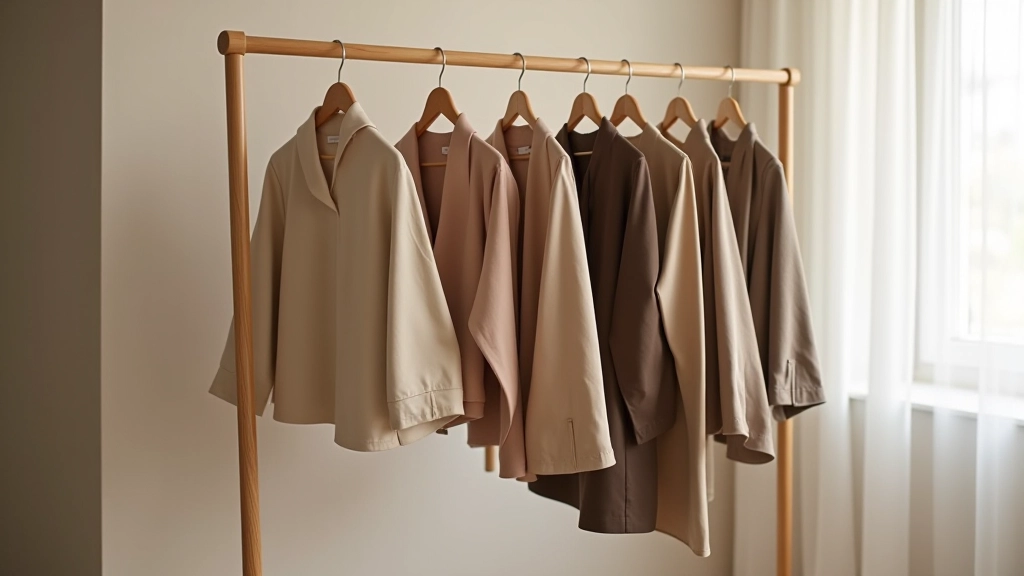
You need pieces that anchor everything else. Not fancy — just solid. Two neutral blazers (one structured, one slightly relaxed), three well-fitting basics in white, black, and a neutral gray or beige. These aren't meant to be exciting. They're the framework.
Here's what makes a difference: the blazers need to fit your shoulders properly. Too tight and you'll never wear them. Too loose and they wear you. A tailor's help is worth it if you find something at a reasonable price that's almost right. Most people in Vilnius offices wear the same two blazers on rotation — one for client meetings, one for regular work.
Budget tip:
Buy basics on sale or from second-hand shops. A good white shirt from a vintage store costs 5–8 euros and works exactly the same as a new one. You're building a system, not a collection.

Layering Pieces That Extend Your Wardrobe
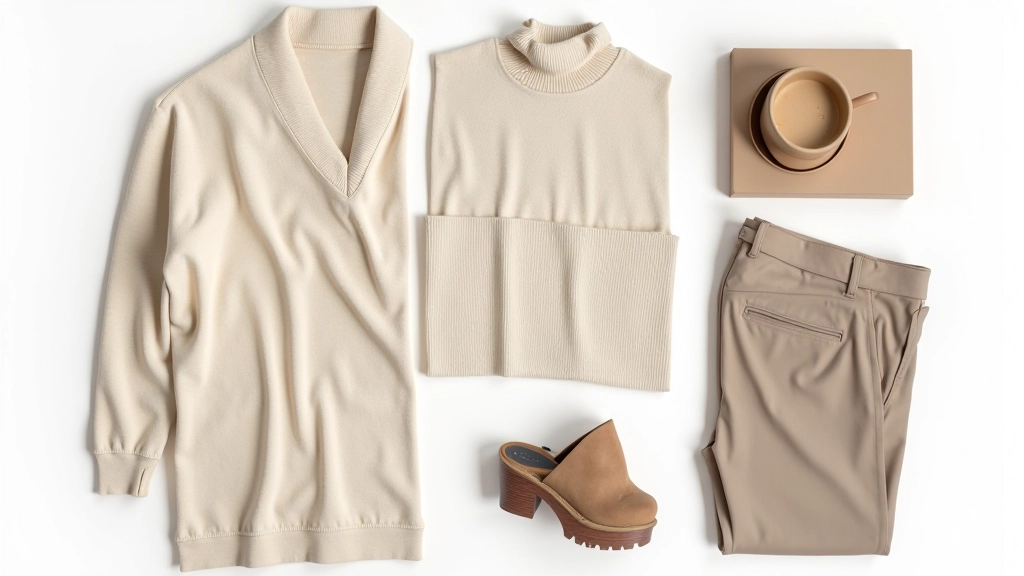
Add a fitted turtleneck, two lightweight cardigans (one cream, one gray), and one structured sweater in a darker tone. These aren't statement pieces — they're multipliers. A white shirt under a turtleneck is different from a white shirt alone. A blazer over a cardigan changes the whole feeling.
The trick is choosing neutral colors that play well together. When everything coordinates, you're not mixing and matching blindly. You're building outfits. Most professionals we've spoken to in Vilnius rotate about three layering combinations per week depending on temperature and formality level.
And here's the thing about cardigans — they're one of the most versatile pieces you can own. Wear it open over a dress for weekends, buttoned over a shirt for work, or on its own when it's that one-degree-warmer day that doesn't quite call for a full jacket.
Bottoms: The Practical Reality
Two pairs of trousers (one dark, one lighter neutral), one pair of jeans that actually fit you, and one pair of trousers that work for casual settings. That's four bottoms for most situations. You don't need more. The dark trousers go with blazers and sweaters. The jeans work with everything. The lighter pair gives you options on warmer days or for weekend plans.
Don't chase trends here. A well-fitting pair of trousers in a straight or slightly tapered cut works for years. You'll wear them more than any other piece, so the fit matters more than the brand. Try things on. If you're constantly tugging at the waistband or they're tight across your thighs, they're not right.
What actually matters in bottoms:
- Comfortable waistband — you'll wear it more if it doesn't pinch
- Length that works with your shoes (hem should just touch the top of your shoe)
- Fabric that doesn't wrinkle excessively — cotton blends or wool hold up better
- Pockets if possible — this matters more than you'd think for everyday wearability

A Note on Personal Style
These recommendations are based on professional observations and testing with real people in Vilnius and Kaunas. Your capsule wardrobe should reflect your lifestyle and personal preferences. If you work in a creative field with different dress codes, or if you have specific body shape considerations, adapt these guidelines to what works for you. The principle stays the same: fewer pieces that work together beat a closet full of things you don't wear.
Finishing Touches: Shoes and Accessories
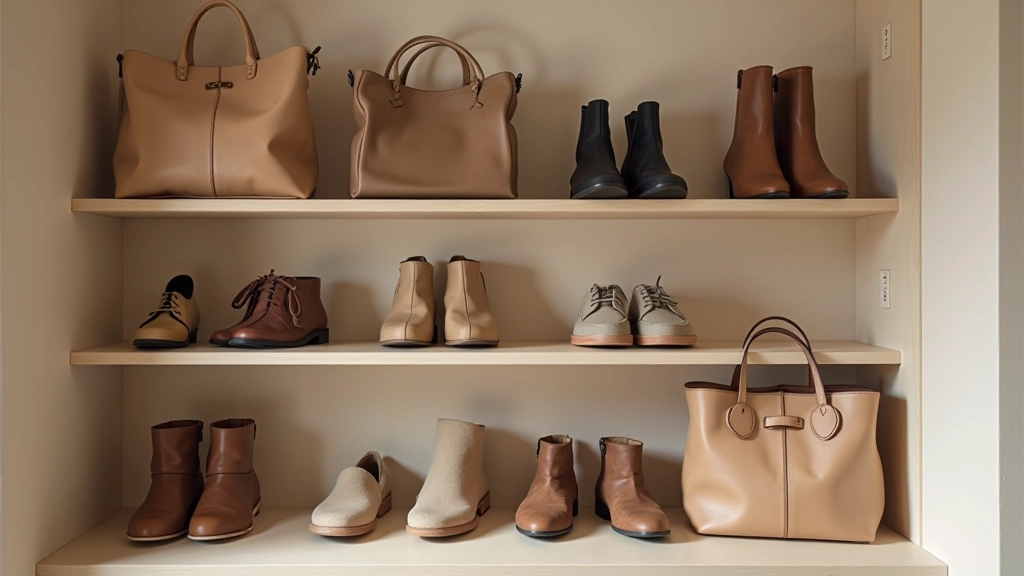
Three pairs of shoes minimum: professional (probably black), everyday casual (comfortable sneaker or flat), and something that bridges both (loafers, nice leather flats, simple boots). Shoes take up mental space in your wardrobe but not physical space, so choose carefully. You'll wear the professional ones several times a week. Make sure they're comfortable enough for that.
Accessories are where personality comes in. A simple watch, a couple of scarves in coordinating colors, and a neutral bag for work. That's it. You don't need a collection of jewelry — just pieces you actually reach for. One pair of simple earrings, maybe a necklace that works with most necklines.
The whole system works because everything coordinates. You're not spending mental energy deciding if things match. You grab pieces, and they work. That's the entire point. And when you need something different for a specific event or season, you're adding to a working foundation, not starting from chaos.
The Bottom Line
A working capsule wardrobe doesn't require perfection or lots of money. It requires intention. You're choosing pieces that work together and that you'll actually wear. Start with what you have, fill in the gaps thoughtfully, and don't buy something just because it's on sale. The best deal is something you never wear.
Most professionals we've observed in Vilnius offices and Kaunas design spaces rotate the same 12–15 pieces constantly. They're comfortable, they coordinate, and they take the guesswork out of getting dressed. That's the real value of a capsule. Not having fewer clothes. Having clothes that actually work.