Layering Structured Pieces With Relaxed Basics
How to pair tailored blazers with comfortable basics without looking overdressed. Works for both office days and casual meetups.


The Balance Between Polished and Comfortable
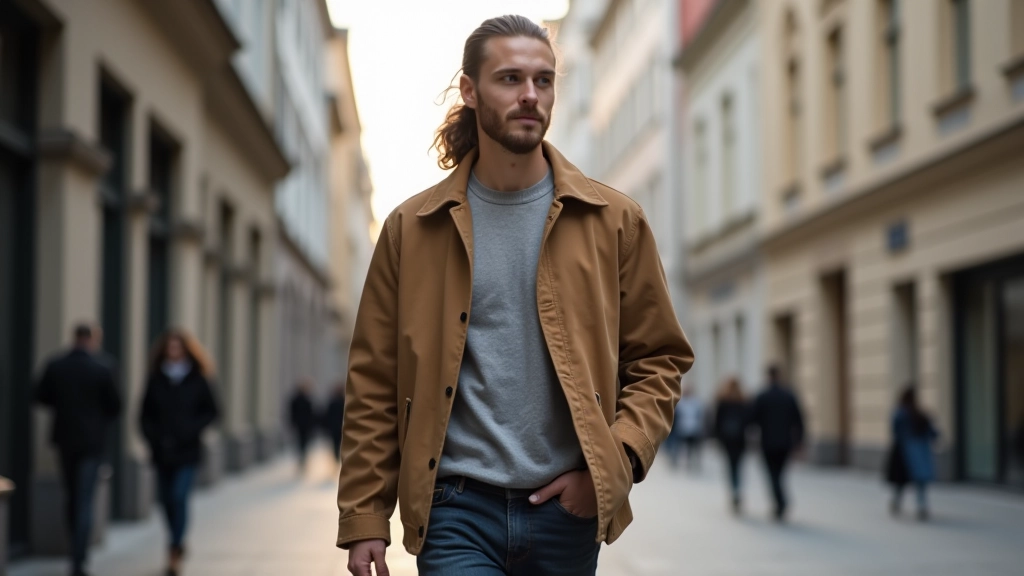
There's a misconception that structured pieces are only for formal occasions. That's not the case at all. The real skill is knowing how to blend tailored items with your everyday basics so everything feels intentional but never stiff. We've watched this happen constantly in Vilnius offices and design studios — people wearing blazers with their favorite worn jeans, mixing a crisp white shirt with soft linen trousers.
The trick isn't complicated. It's about understanding proportions, choosing the right fabrics, and accepting that sometimes your most polished outfit is actually just three simple pieces working together.
Understanding Proportions and Fit
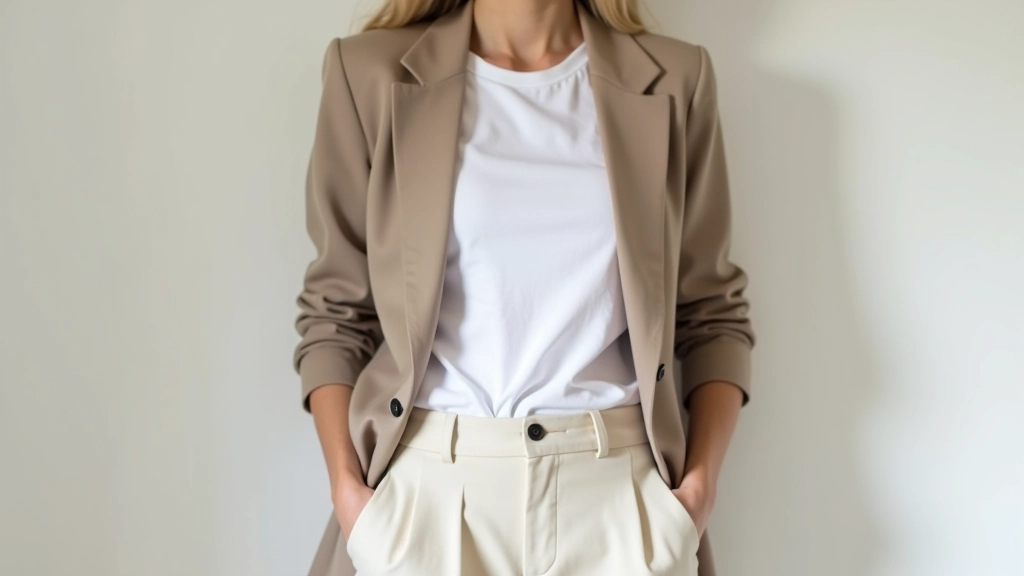
A structured blazer will completely change how an outfit feels. But here's what matters most — it's got to fit your shoulders properly. If the shoulders are too big or too small, no amount of other styling fixes that. You want the shoulder seam to sit right at your shoulder bone. Not forward, not back.
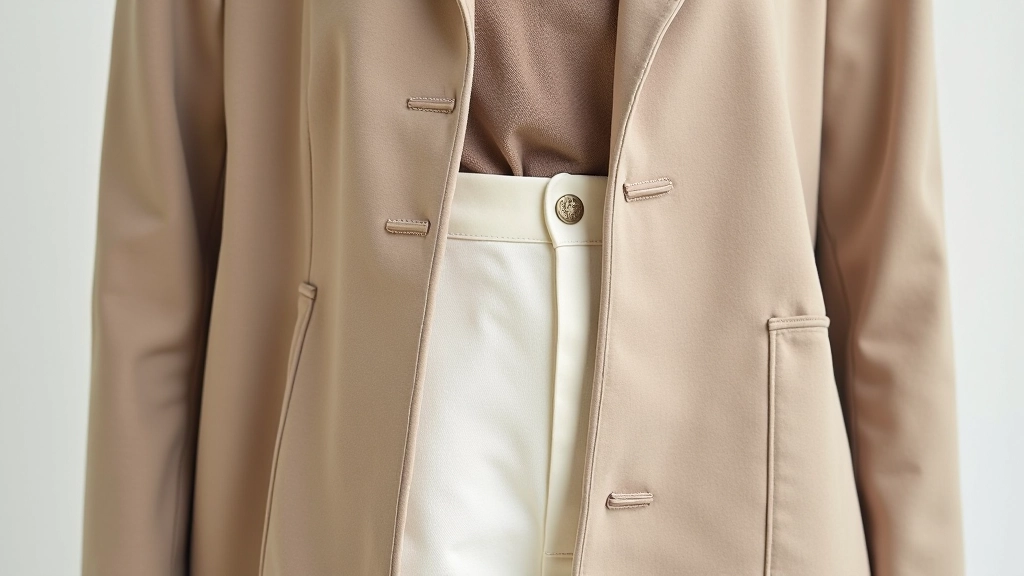
Once the blazer's right, everything else becomes easier. Pair it with a simple tee in a neutral color — white, cream, soft gray, black. Nothing busy. Then add bottoms that feel relaxed. We're talking well-fitting jeans, soft linen pants, or cotton trousers that aren't tight. The point is the blazer's doing the "structured" work. Your basics should breathe.
The key detail: If your blazer is fitted, wear relaxed bottoms. If your bottoms are tapered, go for a slightly oversized blazer. One structured piece per outfit is the golden rule.

Fabric Combinations That Actually Work
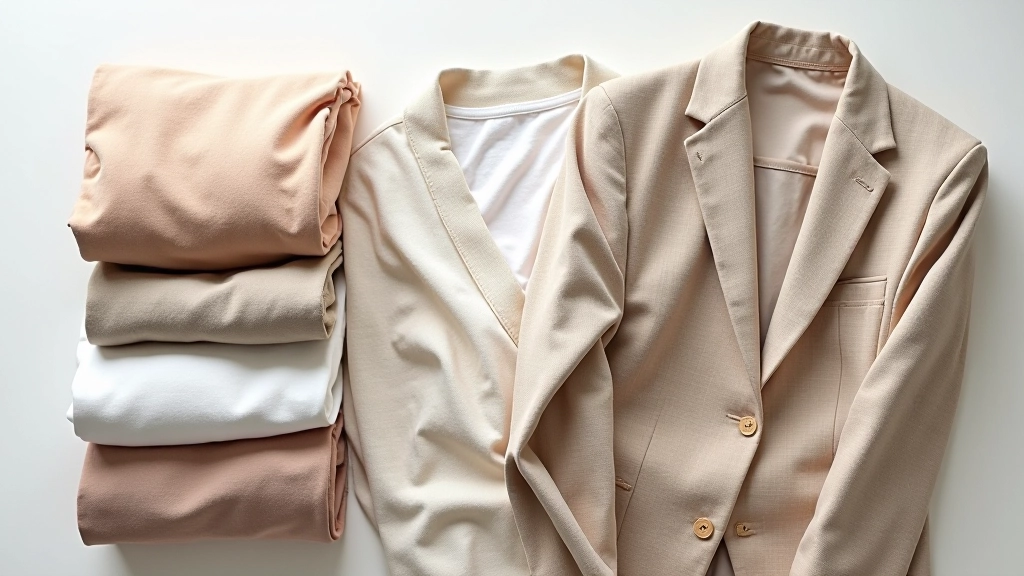
Fabrics matter more than you'd think. A structured blazer in wool or a wool blend creates that crisp silhouette. That's non-negotiable. But underneath? You'll want softer fabrics. Cotton, linen blends, even jersey knit for your basics. The contrast between crisp and soft is what makes the whole thing feel balanced.
This is why a structured blazer over a soft tee works so well. The blazer keeps its shape and gives structure to your frame. The tee underneath feels comfortable and doesn't fight the blazer. When you layer fabrics with different weights and textures, you're actually creating visual interest without trying too hard.
People in design studios around Kaunas get this instinctively. They'll throw on a linen blazer with a worn-in cotton shirt, and it looks intentional because the fabrics complement each other. That's the secret nobody talks about.
Color Pairing Strategies
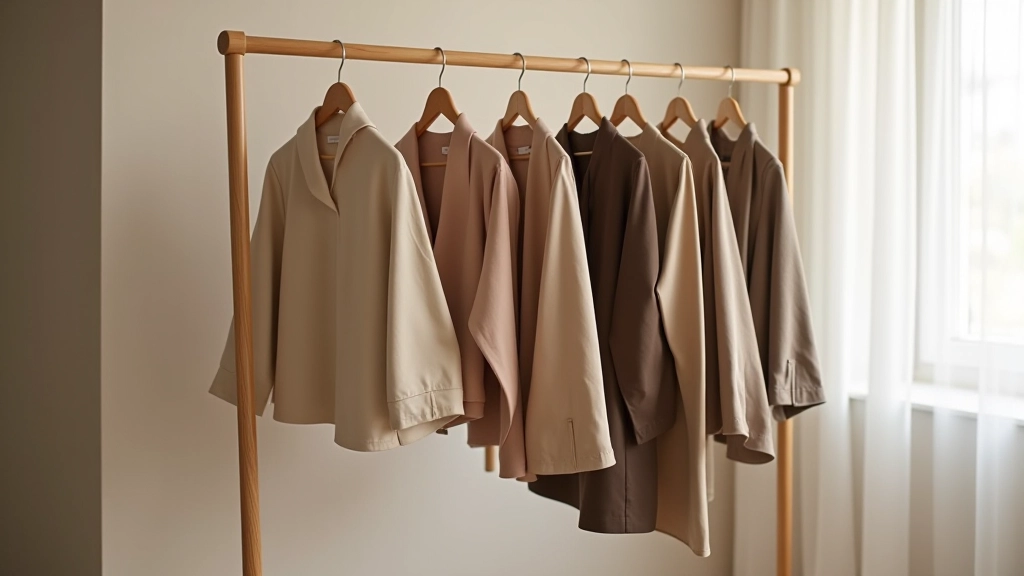
The safest approach is neutral-on-neutral. A charcoal blazer with a white or cream tee. A camel blazer with a soft gray shirt. These combinations work because there's no visual competition. Your eye moves to the silhouette and proportions instead of getting caught on color clashes.
But you don't have to stick with neutrals if you don't want to. You can layer a structured piece in a deeper tone over a lighter basic, or vice versa. The rule is simple: make sure there's enough contrast that the layers read as separate pieces, not as one muddled outfit.
Common pairings that work: navy blazer + white tee, camel blazer + cream shirt, black blazer + light gray basics, olive structured jacket + cream or white underneath.
About This Guide
This article shares styling approaches based on current fashion trends in Lithuania and practical wardrobe advice. Fashion choices are personal, and what works for one person may not work for another. Your individual style, body type, lifestyle, and comfort level should always guide your fashion decisions. Use these suggestions as starting points for exploring what works best for you.
Building Your Layering Wardrobe
You don't need a closet full of structured pieces to master this. One well-fitting blazer in a neutral color is genuinely enough to start. Wear it with different basics and bottoms. You'll notice how it transforms simple combinations into outfits that feel intentional.
The beauty of layering structured pieces with relaxed basics is that it's forgiving. It works in offices, at coffee meetings, on casual Fridays, and when you're meeting friends for dinner. It's flexible enough for real life, which is what actually matters.
Start with what you already own. Look for one structured piece — a blazer, a structured shirt, a tailored jacket. Then pair it with your favorite comfortable basics. That's the outfit. You've got this.